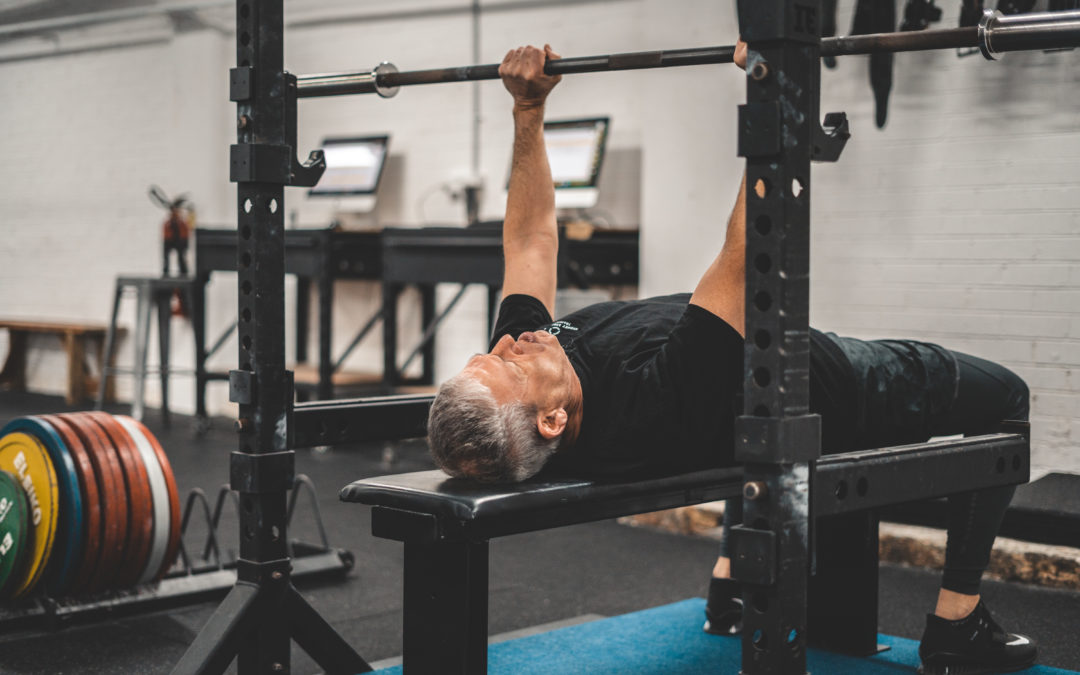
Socrates said: “It is a shame for a man to grow old without seeing the beauty and strength of which his body is capable.” Of course, we can generalise this and say it’s a shame for anybody to grow old without seeing what their body can do. With that in mind, the latest Position Stand from the American Counsel of Sports Medicine released in March 2026 is a necessary reminder of the importance of Resistance Training (RT). Resistance training, as stated in the position stand is important for the following reasons:
“Beyond the hallmark improvements in skeletal muscle mass and function, the benefits of engaging in RT include reduced mortality and risk for and management of cardiovascular disease, cancer, and diabetes, reduced depression, and improved sleep quality” ¹.
Despite the benefits of RT, the most recent release of Physical Activity statistics by the Australian Bureau of Statistics shows a concerning picture. The majority of adults do not engage in sufficient physical activity, including Resistance Training ². The results are as follows:
- Adults (18 – 64): One in five (22.4%) adults aged 18–64 years met the physical activity guidelines in 2022
- Older adults (65+): One in three (33.4%) people aged 65 years or over met the physical activity guidelines in 2022.
Why is it so hard to participate in RT? Factors that determine health participation include socioeconomic, cultural and environmental conditions, living and working conditions, social and community networks and individual behavioural and biological factors ³. Today we’ll discuss three common objections at the individual level: age, safety concerns and preconceived ability. Armed with new knowledge, you or those you love may feel empowered to take the steps necessary towards engaging with Resistance Training and feel the strength of which their body is capable.
Age as a limiting factor
It’s clear that RT will improve musculoskeletal and cardiometabolic health. For those who are unsure if they will gain strength with RT due to age, they can be assured their efforts won’t be wasted. A 2025 systematic review and meta-analysis looked at 12 randomised controlled trials between 2000 – 2024 with subjects aged 65 years and older ⁵. The studies selected ran from 8 – 12 weeks in duration and training protocols using mainly resistance bands, bodyweight and fall-prevention training. Strength, the ability to self-manage activities of daily living and the prevention of falls improved. However, there didn’t seem to be any substantial change in muscle mass. There could be many reasons why, but the study suggested “resistance training in older populations often involves safety-related intensity limitations, making it difficult to apply sufficient overload to induce muscle hypertrophy” ⁵.
When considering the broader body of research however it’s evident that older adults who undergo heavy resistance training see both strength and muscle mass improve ⁶. So maybe age is a bit more than a number, but you’re only as old as you feel. Older adults can absolutely adapt to the rigors of exercise. Of chief concern is ensuring that the intensity is challenging enough, while scaled at a level appropriate for the individual involved. Notwithstanding the potential “age-related anabolic resistance possibly due to several molecular alterations” ⁷, applying a training strategy and then closely monitoring both diet and resistance training protocols should enable most older adults to see results in both strength and muscle mass. This is why constructive feedback with a competent trainer can yield substantial results.
Safety Concerns
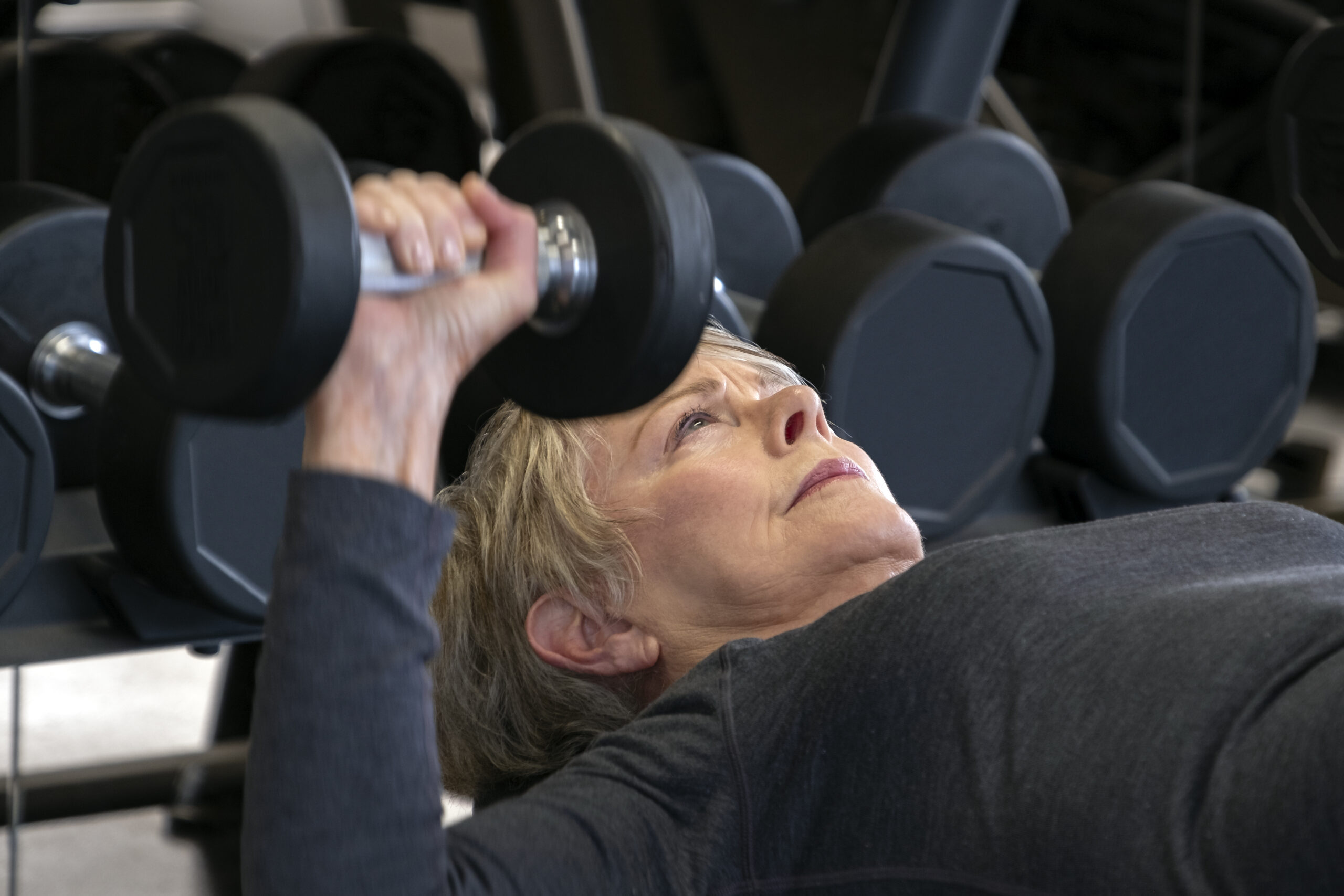
Misinformation is misleading at best and dangerous at worst. We’ve all heard the phrase “deadlifts are bad for your back” despite evidence to the contrary. Fear mongering about resistance training will only defer people from what they need to prevent frailty down the line. Research shows that resistance training is safe and can be reliably used as part of a therapeutic model for musculoskeletal care and rehabilitation ⁸. Type, intensity and the dynamic nature of training can play a role as to whether something is safe ⁹. Of course, there are various Resistance Training modalities such as Powerlifting, Weightlifting and Strongman. Let’s be real, these are sports first. They put a greater focus on the challenge related to performing complex movements at higher intensities. Traditional Resistance Training may contain commonly trained exercises that feature in these sports such as Squats, Bench Presses, Deadlifts & Presses, but the application differs.
Perhaps unsurprisingly, a retrospective injury epidemiology by Winwood et al. found that Strongman training comes out as the most dangerous of the strength sports ⁹. A quick glance at Strongman shows athletes manipulate oddly shaped loads for time, under duress in medleys with unilateral ground contact. Moreover, not every event uses a standardised barbell or implement shape. It’s suggested by Winwood et al. that both preparation and a dynamic competitive environment influence injury risk. Lastly, the authors provided this qualifying statement: “Results from the current study and that of previous research most likely reinforce the importance of training technique and experience on stress reduction to the body and consequently injury reduction” ⁹. Experience, preparation and technique all intersect for safe execution. These are all manageable variables which means thankfully, Resistance Training can be, all things considered, safe.
Preconceived ability:
Leading on from the initial analysis of safety concerns is a history of injury, fears about a lack of athleticism or preconceived, self-limiting beliefs about ability. Self-efficacy may take time to build, but it matters. The human body is not a machine, it is an adaptive organism. Since exercise involves controlled exposure to physical load, and thereby forces, it doesn’t eliminate injury risk, but it can mitigate it heavily. When prescriptions are suited to an individual’s ability, people can experience exercise progressively and safely, allowing the body to adapt and tolerate loads. We can apply the very same principle that makes resistance training effective to a person’s current capacity and progressively increase the load as their capacity improves, even while they have an injury.
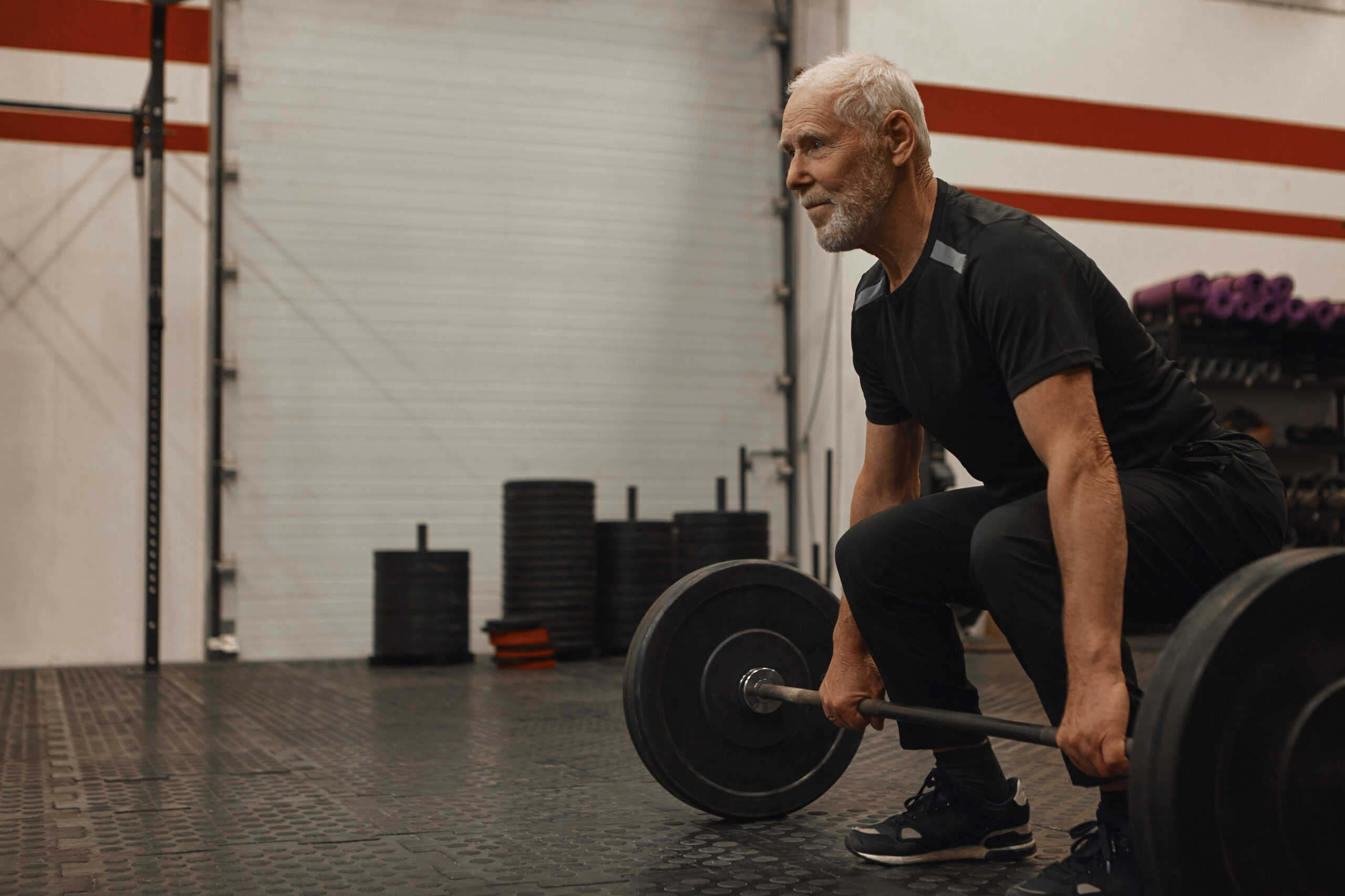
Additionally, everyone starts somewhere. Of course there are phenoms out there who are movement prodigies and their ability to express physical forces, move quickly, powerfully and pick up technique is second-to-none. However, expert coaching can help anyone achieve incredible results. Exercises can be modified, cued differently or tweaked during the coaching process. Programming can be tailored to individual needs, and training loads are easily managed with various forms of constraints. Everyone deserves strength training, no matter their ability or starting point.
Learn how to start strong
Strength training is for everyone. Age, safety concerns or preconceived ideas about ability shouldn’t pose a barrier to lifting weights, getting stronger and improving quality of life. Expert coaching can help anyone experience the benefits of strength training. With appropriate programming, individually-tailored technical advice and a supportive environment, Hobart Strength Training is the place to start getting Stronger For Life. Contact us today.
References:
- https://pubmed.ncbi.nlm.nih.gov/41843416/
- https://www.abs.gov.au/statistics/health/health-conditions-and-risks/physical-activity/latest-release
- https://www.aihw.gov.au/reports/australias-health/what-are-determinants-of-health
- https://www.nsca.com/contentassets/2a4112fb355a4a48853bbafbe070fb8e/resistance_training_for_older_adults__position.1.pdf
- https://pmc.ncbi.nlm.nih.gov/articles/PMC12409148/#sec17
- https://pubmed.ncbi.nlm.nih.gov/40241440/
- https://onlinelibrary.wiley.com/doi/full/10.1002/jcsm.70162
- https://pubmed.ncbi.nlm.nih.gov/21791457/
- https://pmc.ncbi.nlm.nih.gov/articles/PMC10099898/?utm_source=chatgpt.com