

Understanding nutrition is a bit like a bell curve. On one end, an intuitive yet uninformed recommendation could be: “avoid junk food and eat plenty of fruits and vegetables”. Conversely, an evidence-informed perspective produces a similar recommendation. Somewhere in the middle, usually well meaning science communicators or problematically, “influencers”, communicate nutrition information that is overly mechanistic and restrictive, to the detriment of overall health outcomes. For instance, at one point fitness influencer Thomas DeLauer recommended against banana intake due to high carbohydrate content and it’s affect on blood sugar. When it comes to being healthy a degree in nutrition science isn’t needed. Understanding the basics and more importantly, how to consistently apply them matters most. In this article we’ll discuss the health benefits of fruit, the recommended intake and practical ways to meet that intake daily.
Health Benefits of Fruit
Fruit in everyday terms is understood as the seed-associated fleshy structures of plants that are often either sweet or sour and are edible raw. This includes apples, bananas, grapes, lemons, oranges, and strawberries. However, nuts such as hazelnuts are actually fruit as well as typically more savoury “vegetables” such as cucumbers and squashes. Botanically, this makes sense as fruit is classified as the seed-bearing structure in flowering plants known as angiosperms that is formed from the ovary after flowering.
So, why is consuming fruit important?
Fruit is rich in vitamins, minerals and phytochemicals (plant chemicals). Importantly, vitamins such as vitamin C and E and different phytochemicals contained in fruit may reduce the risk of cardiovascular conditions. Additionally, potassium and magnesium found in fruit have also been linked to reduced blood pressure ¹. A 2017 Meta-Analysis from the International Journal of Epidemiology concluded there was “an inverse association between intake of fruits, vegetables, and fruit and vegetables combined, and the risk of coronary heart disease, stroke, cardiovascular disease, total cancer and all-cause mortality” ².
Caveats apply of course. Most evidence is observational, so causality cannot be fully proven. Confounding factors should be taken into consideration. For instance, those that consume more fruit are less likely to smoke. Intake measurement error and diet changes over time can obscure outcomes. However, the weight of the evidence sits firmly in the camp of consuming more, rather than less fruit for a healthy life. Additionally, most fruits are low in energy (kilojoules or calories) and high in fibre and water, increasing feelings of satiety. This reduces the risk of over eating which can cause weight gain. The fibre in fruit is also thought to reduce the risk of some cancers, including colorectal cancer.
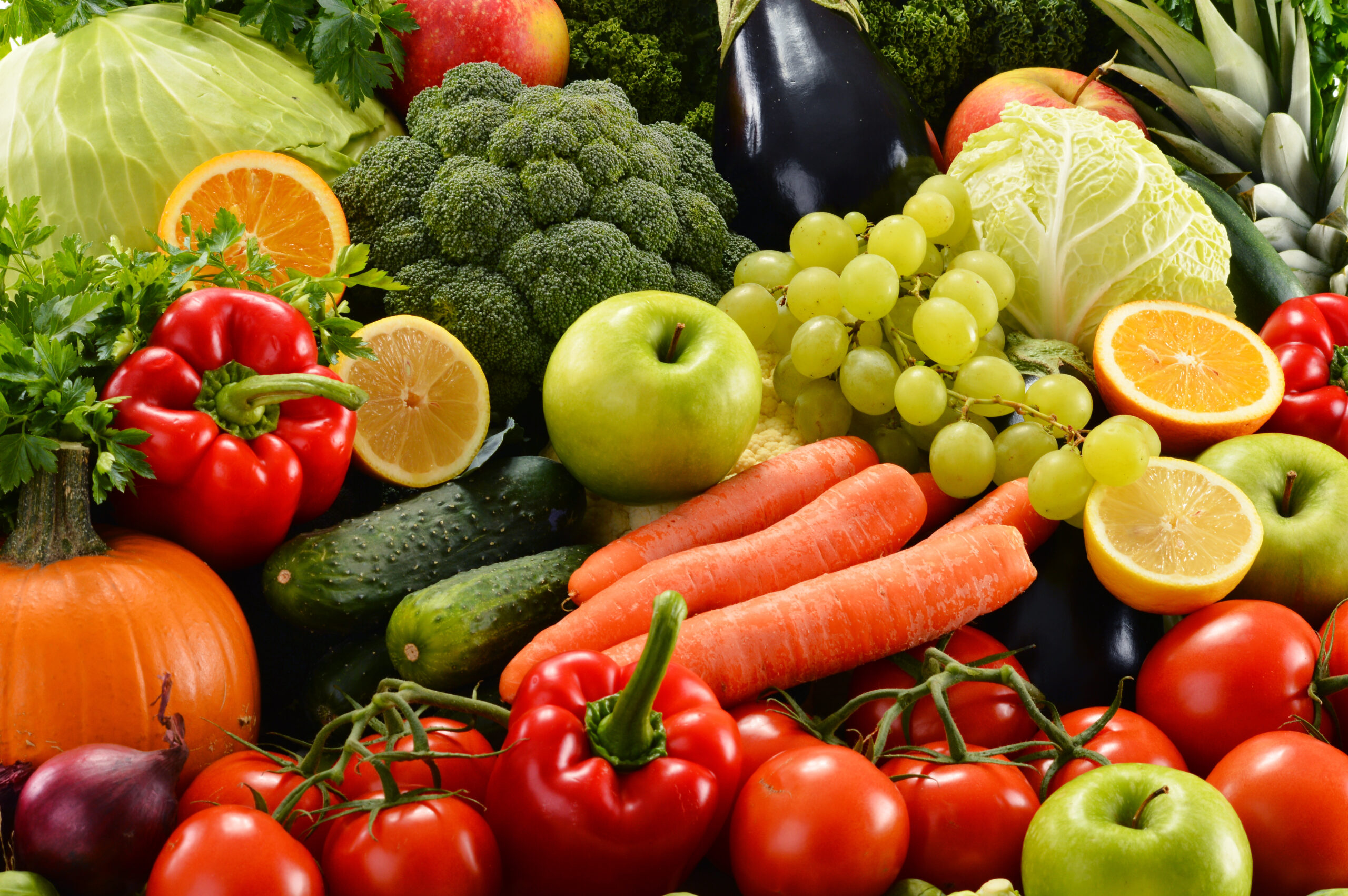
How much fruit should we consume?
The aforementioned meta-analysis found that intakes up to 600 grams a day or approximately 7.5 serves per day produced the lowest cancer risk. For coronary heart disease, stroke, cardiovascular disease and all cause mortality, an intake of 800 grams per day or 10 serves, seemed to be most effective. This is a level double that of current World Health Organisation recommendations of 5 servings, or 400 grams per day ². Although the exact number is not known we certainly don’t need to be restricting fruit intake, including bananas!
Most Australians don’t consume enough fruit. Government guidelines recommend that adult males (as an average figure) should aim for 2 x 150g serves of fruit daily ¹. This doesn’t sound like much, however, it is also recommended that adult males consume 6 servings of both vegetables and grains per day too. As previously discussed, botanically some vegetables are actually fruits. Interestingly enough, wheat is a type of dry fruit known as caryopsis and a wheat grain may also be called a wheat berry! However in culinary terms, they are of course all treated as separate categories. Technical details aside, a clear set of features emerge:
- High in vitamins, minerals and phytochemicals
- Naturally occurring produce (although it may involve some processing like using grains)
- High in fibre
So if you aren’t having much fruit, if any at all – working up to 2 serves a day of “typical” fruit would be wonderful. From there, making sure you’re consuming a wide variety of vegetables and grains is likely sufficient. However, as long as you can stay within your energy needs, more fruit is unlikely to be a problem.
How can we improve our fruit intake?
As we already know, most Australians eat only about half the recommended quantity of whole fruit ¹. However, some people consume too much fruit juice. Fruit juices are often high in energy while being low in dietary fibre, and can even damage your teeth. In a similar vein, eating dried fruit regularly is not recommended as it is high in energy, can stick to the teeth and increases the risk of dental decay. Whole fruits are a much better choice, and are more filling.
Second, consider choosing fruits in season that provide better value and better quality. Eating seasonally also adds more variety to your diet throughout the year without pre-planning. As with vegetables, choosing different coloured fruits increases the variety of nutrients, which is important for our health.
Examples of fruit intake include but are not limited to:
- 1 medium apple, banana, orange or pear
- 2 small apricots, kiwi fruits or plums
- 1 cup diced or canned fruit (no added sugar)
- 150g of mixed frozen berries (a great option for consuming out-of-season, too)
Or only occasionally:
- 125ml (½ cup) fruit juice (no added sugar)
- 30g dried fruit (for example, 4 dried apricot halves, 1½ tablespoons of sultanas)
It’s not a trick, you can treat yourself!
Fruit offers a simple way to support your health. It provides essential vitamins, minerals, fibre and other beneficial plant compounds. For most adults, two serves of whole fruit each day is a great starting point. Choose a variety of seasonal fruits to keep things interesting. Fresh, frozen and canned fruit without added sugar can all help you meet your daily intake. Whole fruit is generally a better choice than juice because it contains more fibre and helps you feel fuller. At Hobart Strength Training, we believe good nutrition and regular strength training work together to support long-term health. Whether you want to build strength, improve fitness or maintain your independence as you age, our team can help you develop sustainable habits. Contact us today.