If you’re anything like me, you thrive on consistency. Health-promoting behaviours can run on autopilot, which makes it simpler (though not necessarily easier) to exercise regularly and eat nourishing foods. December, however, has a habit of disrupting even the best routines. The silly season often pulls people away from structure and can interrupt health trajectories. Personally, I value balance. There’s nothing wrong with stepping back from busy lifestyles and enjoying richer food alongside good company. That said, evidence suggests that certain periods of the year, such as festive and summer holidays, are associated with weight gain. Given the well-established causal relationship between excess body weight and chronic diseases like type 2 diabetes, cardiovascular disease, and some cancers, it makes sense to limit weight gain where possible ¹. With that in mind, let’s explore how you can enjoy a healthier holiday this summer.
Maintain an active holiday
Regular movement is a proactive way to protect your health. A 2009 position stand published in Medicine & Science in Sports and Exercise reviewed the evidence on physical activity for weight management ². The findings showed that maintaining weight, not just losing it, helps reduce chronic disease risk. Even modest weight loss of around 3% can improve several disease risk factors. To prevent weight regain, the recommendation is at least 150 minutes per week of moderate-intensity physical activity. Thankfully, this doesn’t need to be complicated. Around 25 minutes of brisk walking per day, even when broken into shorter bouts, is enough to meet this guideline. Summer days can feel busy and hot, so an early-morning walk often works best. If time allows, active family outings like hikes, backyard cricket, dog walks, or beach trips are excellent ways to keep moving.
Enjoy, don’t over indulge (the whole time)
As the saying goes, all things in moderation. Food is meant to be enjoyed, and certain times of the year carry meaning that goes well beyond physical health. Sharing meals and drinks with others plays an important role in a fulfilling life. A healthy lifestyle balances consistent, health‑promoting nutrition and activity with periods of rest, richer foods, and regular social gatherings. These experiences matter. Enjoy Christmas lunch and a few drinks. Enjoy the leftovers during the week. Celebrate New Year’s Eve properly. As long as a short period of indulgence doesn’t turn into months of overly rich eating, and you maintain some level of physical activity, you’ll be just fine. If you track your weight with regular weigh‑ins, you may notice a temporary increase. In most cases, this normalises once regular routines resume.
A foundation of basics (strength and nutrition)
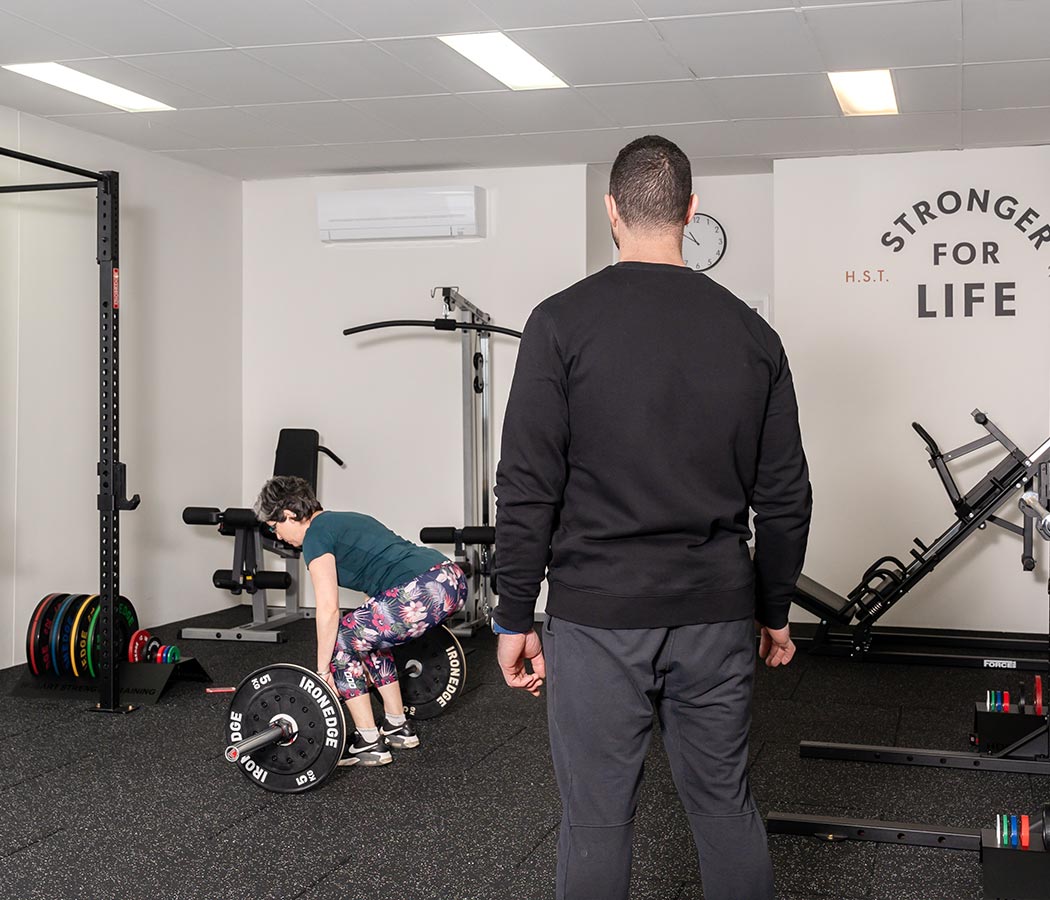
Building and maintaining strength, supported by sound nutrition habits, is a lifelong investment. An article published in Advances in Preventive Medicine (2010) reported that resistance training favourably affects body composition by reducing fat mass, including abdominal fat ³. It also improves insulin sensitivity, glucose tolerance, and blood pressure. These benefits become even more important with age. The combination of sarcopenia and osteoporosis contributes significantly to frailty in older adults. Resistance training helps counter both. Holidays are meant to be enjoyed, but enjoying them fully often depends on a solid foundation of strength and health. Take your first step towards supporting not only your long‑term wellbeing, but also your ability to make the most of every holiday to come and contact us today.
References:
- https://pmc.ncbi.nlm.nih.gov/articles/PMC11611437/#obr13836-sec-0001
- https://journals.lww.com/acsm-msse/fulltext/2009/02000/appropriate_physical_activity_intervention.26.aspx
- https://pmc.ncbi.nlm.nih.gov/articles/PMC3168930/